
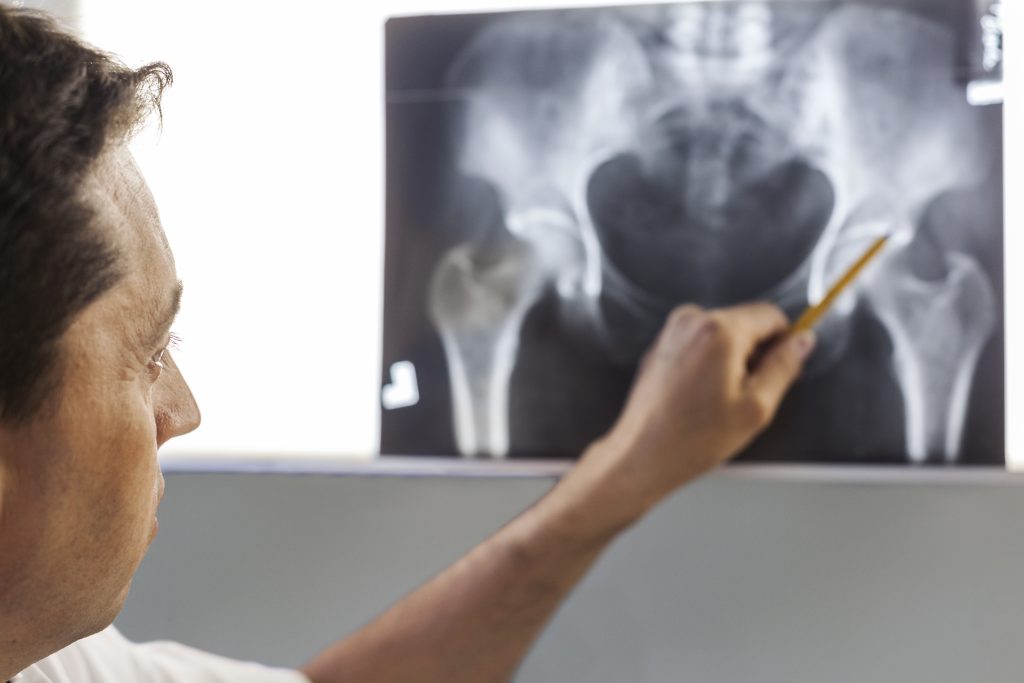
Hip pain treatment depends on the cause of your pain, how long symptoms have lasted, and how much your hip limits walking, stairs, sleep, or work. If hip pain follows an injury, worsens over several days, causes a limp, or keeps returning, an orthopaedic specialist should evaluate it. At Valley Orthopaedic Specialists, our team evaluates hip pain and other musculoskeletal concerns for patients in Shelton, Oxford, Fairfield, and surrounding Connecticut communities.
Hip pain may start gradually or appear suddenly after a fall, twist, workout, or long day on your feet. Some patients feel pain deep in the groin. Others feel it along the outside of the hip, into the thigh, or near the low back. The location, timing, and pattern of pain often give your provider useful clues.
What Causes Hip Pain When Walking?
Hip pain while walking often points to irritation in the hip joint, a ball-and-socket joint, as well as nearby tendons, muscles, bursae, or nerves. The hip carries body weight with every step, so even a mild issue may feel worse during movement.
Common causes of hip pain include:
- Hip osteoarthritis: Cartilage changes may create stiffness, aching, groin pain, and difficulty walking or bending, and some chronic conditions can lead to more persistent symptoms.
- Hip bursitis: Irritated bursae may cause pain along the outside of the hip, especially with walking, stairs, or lying on that side. The American Academy of Orthopaedic Surgeons explains that bursitis involves inflammation of the bursa, a fluid filled sac that cushions structures and reduces friction, and the hip has two major bursae that commonly become irritated.
- Muscle or tendon strain: A strain involving the soft tissues around the hip may cause tenderness, swelling, and pain that increases when you use the injured area, and hip tendonitis is another tendon-related problem causing pain with movement.
- Labral tears or impingement: Some patients feel clicking, catching, or deep groin pain with hip rotation, and repetitive motions can contribute to labral tears. Hip impingement involves abnormal contact inside the joint, often where the thigh bone meets the hip socket.
- Hip fracture or stress injury: A fall, direct impact, or repeated loading may injure bone.
- Referred pain from the spine: Low back or nerve conditions may send pain toward the hip, buttock, or leg.
Because several conditions create similar symptoms, the right hip pain treatment starts with an accurate diagnosis.
What Hip Pain Symptoms Shouldn’t Be Ignored?
Some hip pain improves with rest and simple activity changes. Other symptoms deserve a medical evaluation, especially when pain changes how you walk or function, and ongoing symptoms can affect hip health rather than be left to continued self-management.
Schedule an orthopaedic evaluation if you notice:
- Hip pain that lasts more than a few days after an injury
- Pain that worsens with walking, stairs, or standing
- A limp or difficulty putting weight on the leg
- Pain that wakes you at night
- Stiffness that limits bending, sitting, or getting in and out of a car
- Swelling, bruising, or tenderness after a fall
- Groin pain with clicking, catching, or locking
- Hip pain with numbness, tingling, or pain traveling down the leg
Seek urgent medical care if you cannot bear weight, the hip looks deformed, sudden intense pain follows a serious injury and may signal a fracture or other urgent problem, or you develop fever, redness, or sudden severe swelling.
Is Ice or Heat Better for Hip Pain?
The answer depends on the timing and type of pain.
Ice usually makes more sense after a new injury, especially when the hip feels swollen, tender, or irritated. Using an ice pack may provide temporary pain relief and help reduce inflammation in the first day or two after a strain or flare-up.
Heat often works better for stiffness, muscle tightness, or chronic aching. A warm compress or heating pad may loosen surrounding muscles before gentle movement. Some people also use pain relievers, including over-the-counter NSAIDs and other counter pain relievers, when appropriate and approved by their healthcare provider, to ease hip pain. Avoid heat on new swelling or bruising.
Do not push through sharp pain during stretching or exercise. If hip pain returns each time you increase activity, your body may need a more specific treatment plan.
When Should You See a Specialist for Hip Replacement Surgery or Hip Pain Treatment?
You should see an orthopaedic specialist when hip pain interferes with normal movement, lasts longer than expected, or keeps coming back despite rest.
An evaluation matters because hip pain treatment may vary widely based on the diagnosis. A muscle strain, bursitis flare, arthritis, labral injury, and fracture all need different care. Guessing may delay the right treatment and keep you from returning to daily activities.
An orthopaedic evaluation may include:
- A review of your symptoms and medical history
- A physical exam to assess strength, range of motion, gait, and pain location
- X-rays or other imaging when needed
- A discussion about work, sports, exercise, and daily movement
- A treatment plan based on your diagnosis and goals
Valley Orthopaedic Specialists offers full-service orthopaedic care, including evaluation, on-site imaging, physical therapy, and specialty care for hip conditions.
What Hip Pain Treatment Options, Such as Physical Therapy, May Be Recommended?
Hip pain treatment often starts with nonsurgical care, depending on the cause and severity of symptoms. Your provider may recommend a plan that addresses pain, mobility, strength, and the underlying condition, often combining medication, exercise, and lifestyle modifications based on the diagnosis.
Treatment options may include:
- Activity changes: Your provider may recommend avoiding painful movements for a short period while keeping safe movement in your day.
- Medication guidance: Some patients may use anti-inflammatory medication, when medically appropriate and approved by their provider; pain medications may include anti-inflammatory options and other pain relief approaches depending on the patient and diagnosis.
- Physical therapy: Physical therapy may focus on hip strength, flexibility, balance, gait, and safe return to activity. Therapy may also target the affected hip with regular low-impact exercises and stretching of the gluteal muscles to improve flexibility and help reduce pain. VOS offers in-house physical therapy services for orthopaedic rehabilitation needs.
- Injections: Some conditions may respond to image-guided injections when inflammation or joint pain limits function, and corticosteroid injections can reduce inflammation in the hip.
- Bracing or assistive devices: A cane or other support may temporarily reduce stress on the hip during recovery. Maintaining a healthy weight, including weight loss or losing weight when excess weight contributes to wear and tear, can also reduce stress on hip joints.
- Surgical consultation: Severe arthritis, structural damage, or certain injuries may require a discussion about surgical options. In severe cases, hip surgery may include hip replacement surgery or other replacement surgery when nonsurgical care no longer restores a full range of motion. VOS lists hip pain, labral tears, osteoarthritis of the hip, hip arthroscopy, hip fracture surgery, and total hip replacement among hip-related conditions and procedures.
The right plan should match the diagnosis, your health history, and the activities you want to return to.
Can Hip Pain Come From Arthritis?
Yes. Hip arthritis often causes deep aching pain, stiffness, and trouble with walking or bending. Many patients feel arthritis pain in the groin, but it may also travel toward the thigh or knee. AAOS notes that hip osteoarthritis commonly causes pain and may cause limping when patients put weight on the leg, and arthritis affects around 27 million people daily. Other joint problems, such as osteonecrosis, can also cause hip pain when blood flow to the bone is inadequate.
Arthritis does not always require surgery. Many patients start with nonsurgical care such as activity changes, physical therapy, medication guidance, injections, or weight-management support when appropriate, often with help from a primary care doctor; these steps can improve overall health while helping manage symptoms. If nonsurgical options no longer manage symptoms, a joint replacement consultation may make sense. VOS offers joint replacement services, including hip, knee, shoulder, and ankle procedures.
Where Can Connecticut Patients Get Hip Pain Evaluated?
Valley Orthopaedic Specialists evaluates hip pain and other orthopaedic concerns at locations in Shelton, Oxford, and Fairfield. The practice provides orthopaedic evaluation, treatment planning, on-site imaging, physical therapy, and access to specialists across multiple areas of musculoskeletal care, including injuries and chronic conditions affecting the hip.
If hip pain affects your walking, sleep, exercise, or daily routine, schedule an evaluation with Valley Orthopaedic Specialists in Connecticut. Our team can review your symptoms, identify the likely cause, and discuss hip pain treatment options that fit your condition. Older adults, especially those with osteoporosis, should seek prompt evaluation after a fall because hip fractures are more common in elderly patients.